Commodities

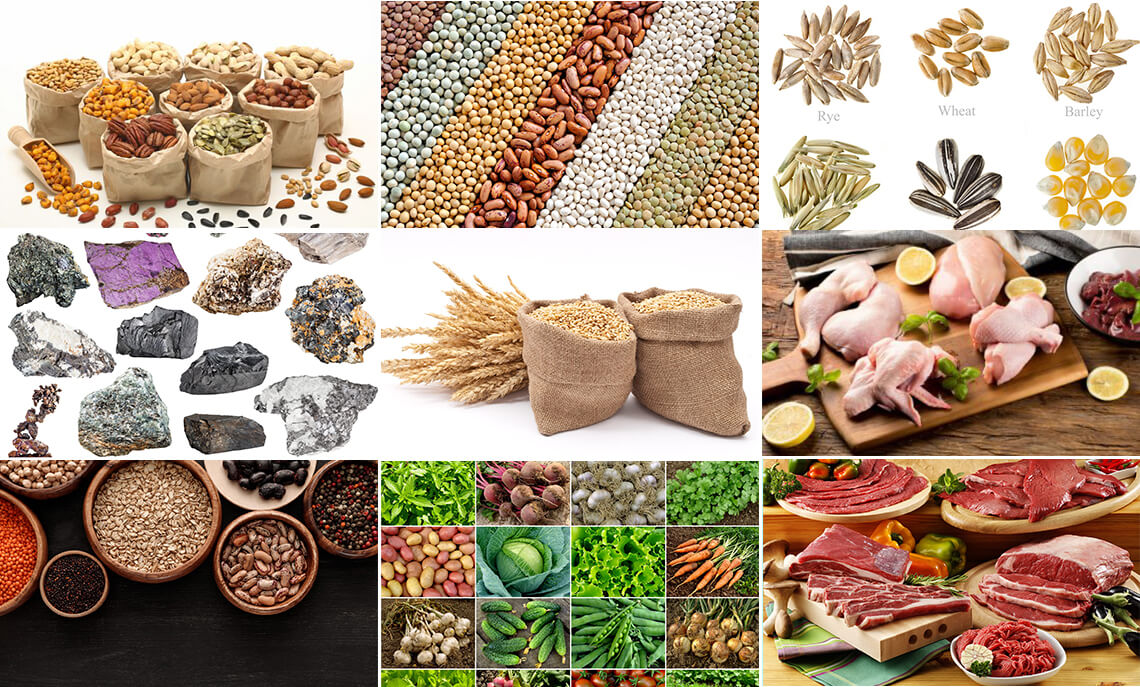
Grains have been feeding Africa for thousands of years. With roughly 50% of the world’s uncultivated land, abundantly fertile soils, favourable climate and all-year-round sunshine, Africa has potential to feed the entire globe.
Unlike most other foods, grains have a better shelf life and can be stored for longer periods. This makes them one of a few food products that can be consumed in and out of season in Africa: Maize, Sorghum, Barley, Wheat, Millet, Rice

Oilseeds are fundamental to both the human and animal food supply Chains. As the fastest-growing agricultural commodities, they fuel expansion that affect millions of lives globally: Groundnut, Sunflower, Sesame, Safflower, Linseed, Soybean, Rapeseed

Vegetables are an important part of a balanced diet, delivering nutrients to our bodies that can reduce the risk for cancers, obesity, and heart attacks. Vegetables sector can help the agriculture industries in Africa especially, stimulate economic growth and reduce poverty: Broccoli, Cauliflower, Cabbage, Carrots, Tomatoes, Eggplants, Okra, Green Beans, Green Chilli, Pumpkin leaves, Pumpkin, Onions, Spinach, Peas, Green paper, Kale, Asparagus

The timber industry is slowly growing in Africa. Trees play an important role in economic growth and can provide the much needed foreign exchange if well managed and harvested. For most countries in Africa, timber has the potential to become a major export commodity that could rake in a lot of foreign exchange. More than just providing a form of investment, the timber industry has the potential to contribute to employment creation and help reduce poverty in the Africa, especially in rural areas.
Softwood: The major species planted are pine and eucalyptus. The pine species are Pinus Kesiya, Pinus Occapa, Pinus Michocana and Pinus Kesiya, while the eucalyptus species are Eucalyptus Grandis and Eucalyptus Cloezonia.
Hardwood: Hardwood: The logs, which are a major source of raw materials, are obtained from natural forest. The most known species are Petrocur-pus Angolasis (mukwa - kiaat), brachystegia boehmi (Musamba), Zambezi teak (Baikiaea Plurijuga and Guiburtia Coleosperm (rosewood.)

We want to encourage diversity and we see fruit as an important food security commodity. Not only does it provide the necessary nutrients for both rural and urban households, it also is a source of extra income through local and export sales conducted almost all year round. Africa is endowed with different varieties of fruit trees, both exotic and indigenous. As fruits are highly perishable, Travvc Trade cold value chain ensures the commodity is delivered to local, regional and global markets: Mango, Orange, Guava, Avocado, Papaya, Lemon, Lime Fruit, Nartjies, Strawberries, Watermelons, Banana, Pineapple, Grapes, Apple

There is growing interest in developing commercial cultivation of mushrooms throughout Africa. Mushrooms have a high nutritional value and are high in protein. They are also a good source of vitamins (B1, B2, B12 and C), essential amino acids, and carbohydrates but are low in fat and fibre and contain no starch. When fresh they have a very high water content of around 90%. Minerals present include phosphorus, potassium, iron and copper.
Mushrooms for cultivation:
White button mushroom (Agaricus Bisporus)
Oyster mushrooms (Pleurotus ostreatus)
Wild Reishi mushroom (Ganoderma lucida)

Africa’s floriculture industry is one of the continent’s most lucrative industries. The industry is ripe with the rapidly growing demand: Roses, Proteas, Lilies, Carnations, Saintpaulias (African Violets), Jasmin, Hibiscus, Eucalyptus, Hypericum, Orchids, Chrysanthemums

Fisheries are in decline worldwide. We therefore believe aquaculture has the potential to provide the world with healthy seafood products. During the next decade, aquaculture is expected to become the fastest growing food production sector in the world.
Fish farming involves raising fish in tanks, ponds or floating enclosures. Fish culture potentially offers an alternative to widespread overfishing of waterbodies species. We believe the Travvc Trade platform will not only offer bio-diversity, it will reduce destruction of ecosystems, pollution, and disease in our waterbodies.
Species: Carp, Salmon, Tilapia, Catfish
Coffee travels thousands of miles, from farms, to roasters and processors, then to wholesalers and retail outlets. After which, it is consumed at a rate of over 2.25 billion cups per day worldwide.

Nuts are enjoyed as snacks and are also used in baking, manufacture of cooking oil and ice cream industries. The shells are used to make skin creams, biochar carbon filters, homeware and other uses. In Africa, the nuts are not consumed locally as much hence the need to export most of the produce.
Type: Macadamia, Almonds, Cashew
If produced sustainably, sugarcane is the crop of the future, poised to improve the lives of millions globally. With so many potential uses – from food, to fuel, to paper, and even plastics – every life from cutter to consumer is increasingly touched by sugarcane.

Dairy consumption is increasing globally, and this presents an opportunity for farmers in Africa. Small-scale dairy farmers need to produce high-quality dairy if they are to realize their full potential in this growing, formalized market. At present, small-scale farmers in developing countries are not benefiting much from the rise in global dairy consumption. This is because they aren’t able to sell enough of their dairy on the formal market, where the greatest opportunities lie. With investments, small-scale farmers can produce high-quality milk and broaden their sales market. This helps provide a more stable family income, as well as improved food safety, sustainability and animal welfare.

Tea has been cultivated for thousands of years, reaching all corners of the world. It transcends borders because it requires global trade and yet each locale cultivates its own flavour and drinking customs. Tea truly has the power to bring people together, and has the power to sustain the lives of those involved in its production for thousands of years to come.
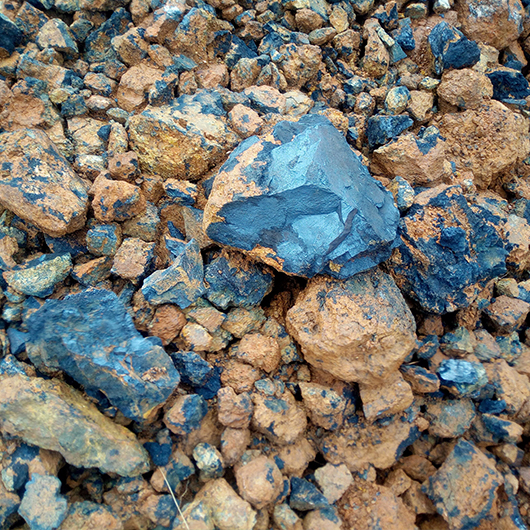
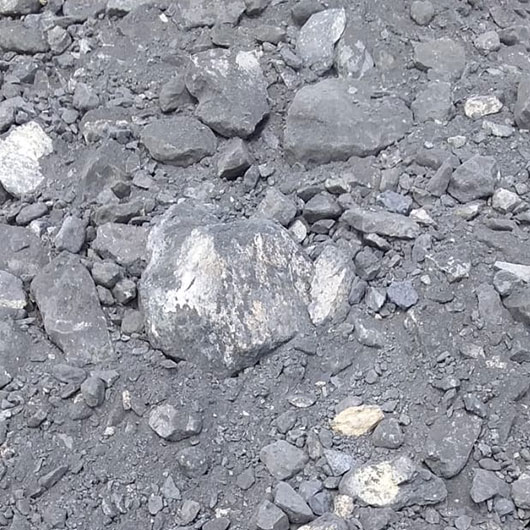
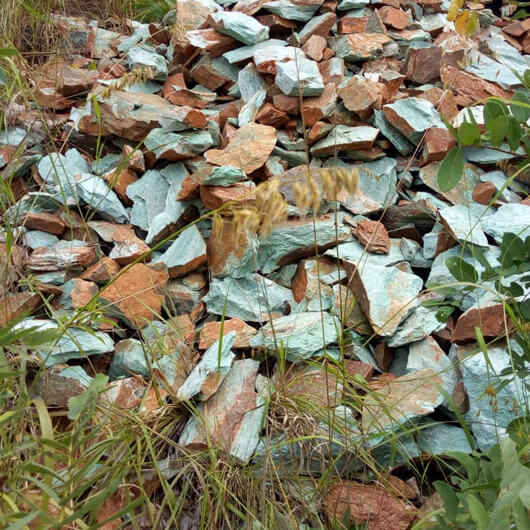
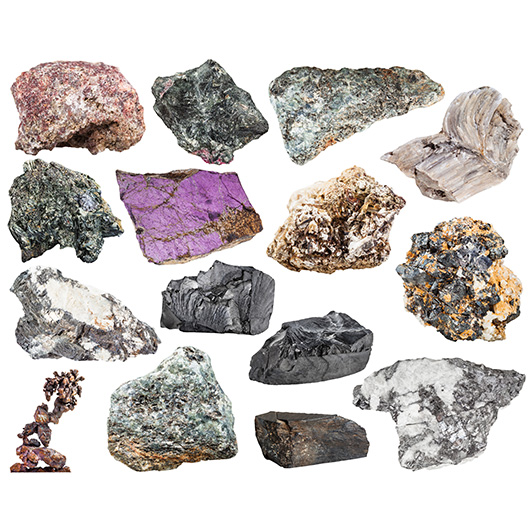
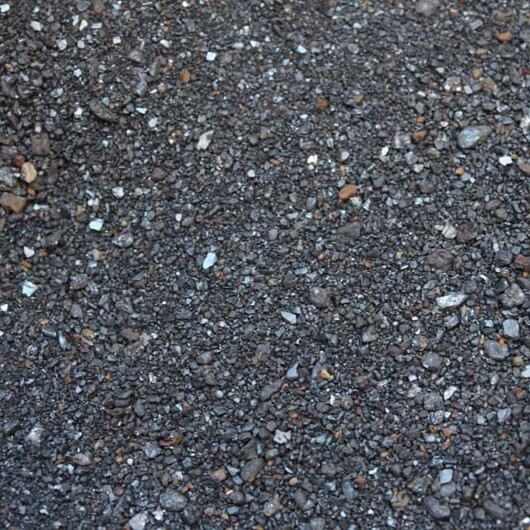
Globally there are around 25 million people employed in small-scale mining, 3 million in the industrial sector, and over 100 million people indirectly dependent on gold mining. Metals and minerals have potential to transform millions of lives for Africans especially those living in rural areas.
We move the following metals and minerals on Travvc Trade platform:



Enter your email below to receive our monthly newsletter and keep abreast with local and international trade news.