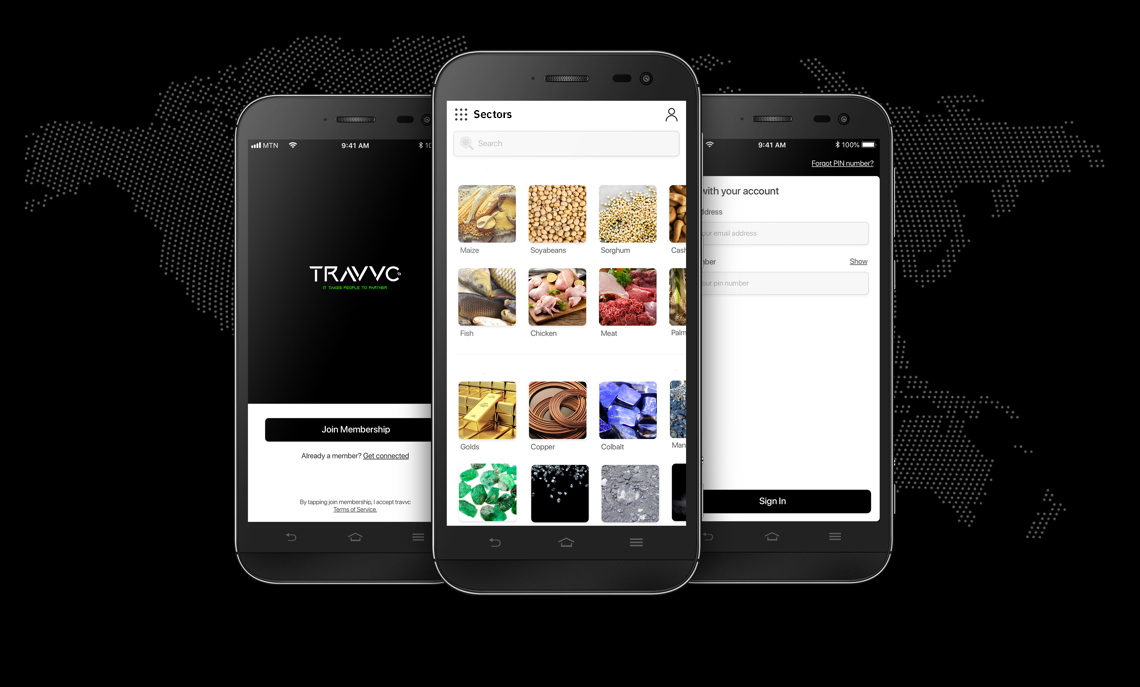
Our Sectors
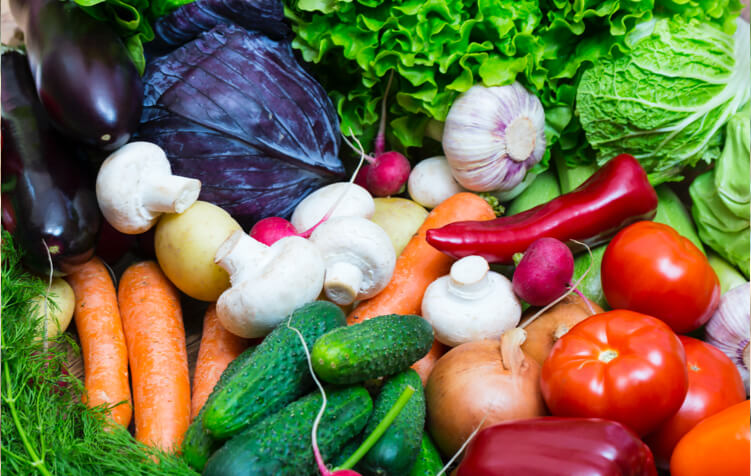
Agriculture accounts for 25 percent of the entire Africa’s GDP and more than 60 percent of the population of sub-Saharan Africa is smallholder farmers. Most Sub-Sahara Africa is endowed with vast agricultural resources such as water, arable land and human capital. Further, African Governments place great importance to agriculture in their quests to improve food security and reduce poverty levels. Very little importance is attached to becoming net exporters of food or to add value to agricultural products. Travvc Trade will seek to solve this problem through linkages and pooling of resources within our integrated virtual value chain by extracting raw agricultural commodities from places of production, transforming them through the value addition process, and feeding Africa and the World.
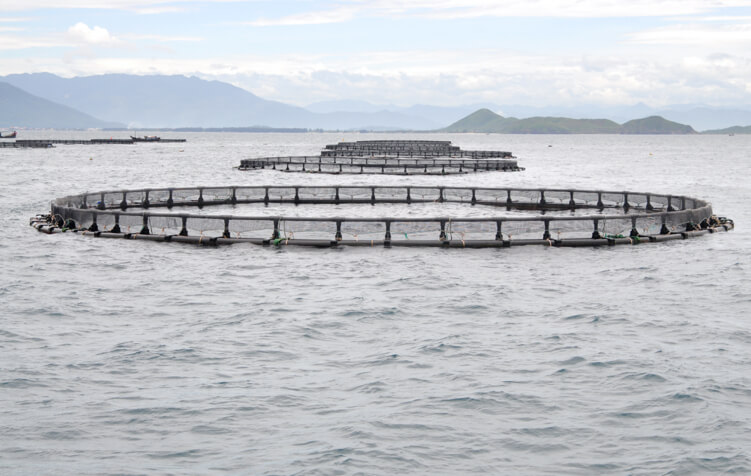
Fisheries are in decline worldwide. We therefore believe aquaculture has the potential to provide the world with healthy seafood products. During the next decade, aquaculture is expected to become the fastest growing food production sector in the world.
Fish farming involves raising fish in tanks, ponds or floating enclosures. Fish culture potentially offers an alternative to widespread overfishing of waterbodies species. We believe the Travvc Trade platform will not only offer bio-diversity, it will reduce destruction of ecosystems, pollution, and disease in our waterbodies
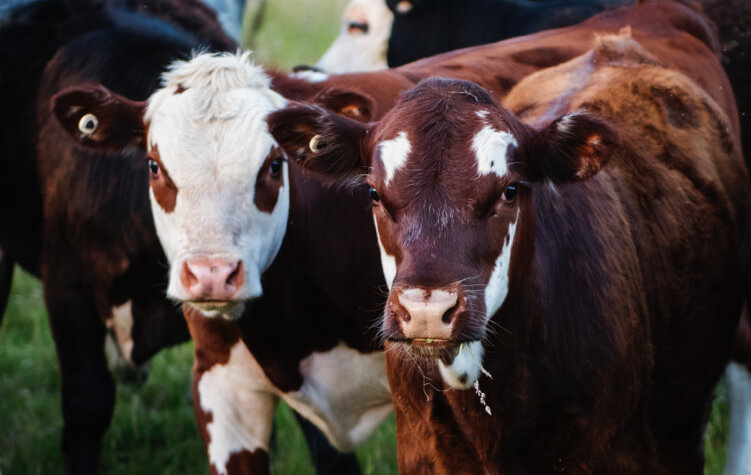
Livestock products are consumed by billions of people across the world. We believe demand for meat, dairy and leather in Africa will double over the coming decades. This offers millions of smallholder farmers an income and many more a nutritious diet.
The livestock sector employs 1.4 billion people globally and directly supports the livelihoods of 600 million poor smallholder farmers in Africa. With the ratification of AfCFTA, smallholder farmers in Africa will access local, regional and global exports through the Travvc Trade value Chain.
However we are aware of the livestock sector impacts greatly on the environment. The challenge is to find a balance between food security, poverty, equity, environmental sustainability and economic development.
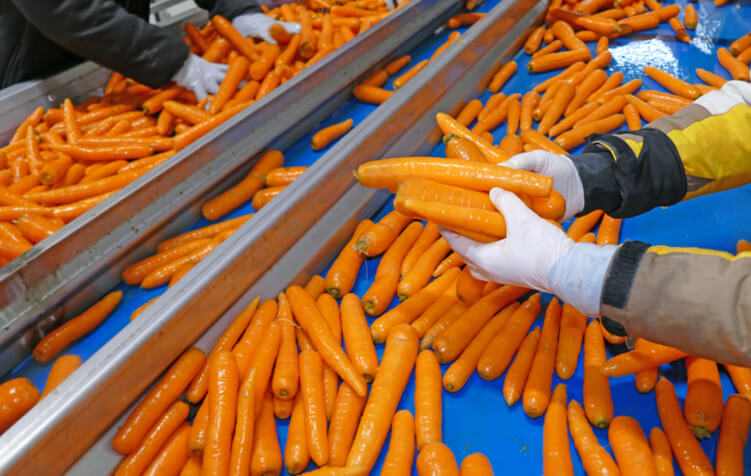
Most countries in sub-Sahara Africa export a huge amount of unprocessed agricultural commodities to the rest of the world while bringing back processed food imports. However, with 60 percent of the world’s arable, uncultivated land, most of the food imported into Africa can be produced in Africa at a much lower cost, with improvements in the value chain that should include increases in productivity, storage, and distribution. While Agro processing enterprises do not require a huge amount of start-up capital, the industry faces value chain based challenges such Inadequate storage facilities and raw material inputs, limited access to local and export markets, inadequate distribution systems amongst others. Our aim is therefore to enhance the value chains and develop local and export markets for the various agro products. This will create robust businesses that will in turn increase income and productivity in the agriculture sector. The following are some of the agro processing industries Travvc Trade is keen to support:

Africa has an abundance of natural resources including diamonds, cobalt, oil, natural gas, copper, and gold among others. Most of the mining in Africa is conducted at small-scale artisanal level. As a result, there are many difficulties in mining which include lack of exploration, scarcity of investment, lack of geological information, lack of equipment for mining and many others.
Once the ore is extracted comes exploitation due to lack of local (Industries) and export markets. Most Mine owners do not get fair prices for their commodity as they have no direct access to markets. This leaves the open to exploitation.
Although many small-scale miners earn enough to live, they are at risk of staying trapped in the poverty cycle. In most cases, they often turn to this profession because there are few viable economic alternatives. However, the absence of a defined and intergrated value chain makes it impossible to access lucrative local and export markets.
Travvc Trade aims to enhance the mining value chain and transform lives through the facilitation of movement of metals and minerals produced by Small-Scale Artisanal Mines from places of production to places of value addition and demand within regional and global markets.

Travvc Trade aims to enhance the mining value chain and transform lives through the facilitation of movement of metals and minerals produced by Small-Scale Artisanal Mines from places of production to places of value addition and demand within regional and global markets.
There are many informal traders in Africa that source commodities such as soybean and maize from smallholder farmers and supply to large commodity trading companies. The sector faces challenges such as lack of trade facilitation, inadequate border infrastructure, and limited access to finance and market information, limited knowledge, education and business management skills. Travvc Trade aims to “formalize” the sector by giving access to the best production technology, financing structures, innovation capacity building instruments and alternative regional and export markets. Travvc Trade will enhance movement of physical commodities in this informal value chain through its resources such as logistics firms and help to unlock scarce capital.

For a small-Scale industry to thrive, it requires consistent availability of raw materials as well as access to local, regional or export markets for its products. The large portion of exports out of Africa are raw materials due to limited industrialisation. Value addition and beneficiation in the agriculture and mining sectors respectively can only thrive if the finished finds an already available market. Improving farm incomes will allow farm children to get education. Those educated kids will then in turn contribute to the productivity small-scale industries. This may take 10 to 20 years but once the cycle in complete, the benefits are immense. Travvc Trade aims to enhance productivity amongst small-scale industries buy guaranteeing a consistent supply of raw materials and a market for their finished products via our platform.
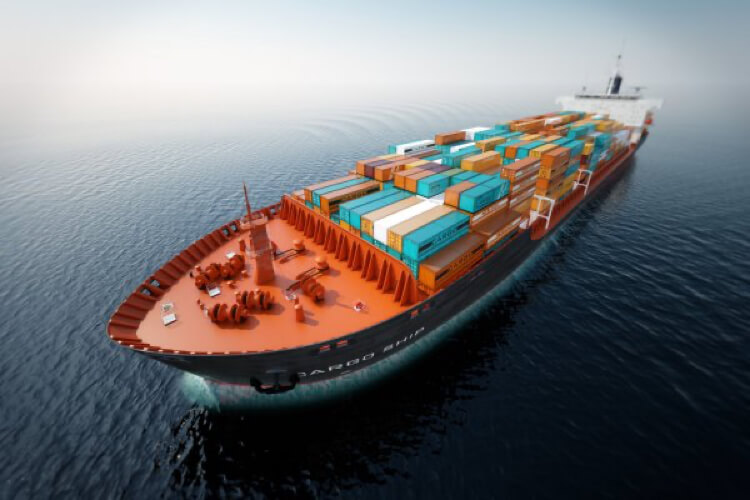
There are immense opportunities in value-added services. We envision the warehousing and packaging industries to play a vital role in the agriculture and mining value chain chains. Most smallholders lack access to warehousing and packaging facilities, our desire is to therefore bring them together for value addition purposes in order to enhance the quality and safety of end products in the value chain. Smallholders and some large manufacturers and processors do not have the expertise, systems and processes needed to minimise the cost of inventory while limiting the risk of stock shortages. Logistics services firms will contribute to the value chain systems that will help to manage both inventory and inbound and outbound services.
Enter your email below to receive our monthly newsletter and keep abreast with local and international trade news.