Sustainability
As a business directly and indirectly involved in natural resources, we take our environmental and social responsibility seriously. Sustainability is central to our business activities. We are passionate about creating fair and sustainable value, both for our business and for all value chain players : our members, our partners, the communities we touch and the environment around us
We are not just another digital platform developed to generate revenue for our shareholders. We are not just another app overcrowding the world of digital technology. We desire to tackle trading challenges experienced by smallholders in the agriculture, mining and informal sectors. Put it simply, we are trying to solve problems small-scale producers experience on a daily basis.
Mining practices that are not responsible – in terms of people, the planet, and supply chains – create negative consequences for the water supply and some communities’ access to water. Water can be diverted from communities to mines and toxic run-off and erosion can pollute waterways.
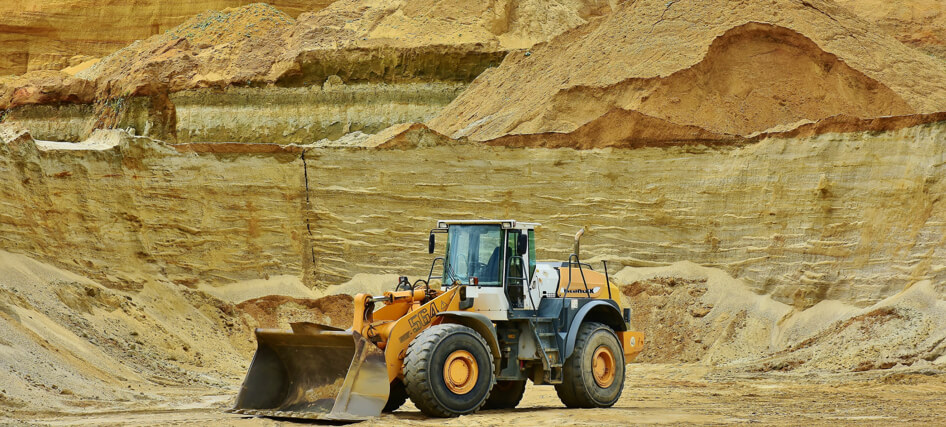
Mining uses a large amount of the world’s energy and contributes to deforestation in protected areas and ecosystems, like rainforests. Local landscapes can suffer devastating losses to biodiversity when forests and indigenous flora plants are razed to make space for mines. Toxic acid mine drainage and metals runoff can damage ecosystems and agricultural potential for generations.
Unacceptable working conditions are also encountered by miners. A lack health and safety equipment, and operating under the threat of mineshafts collapsing and mercury poisoning are a part of many miners’ daily experiences.
Gender equality is not respected and child labour can occur. Those in mining communities face negative impacts due to hazardous conditions, the presence of diseases such as HIV and malaria, as well as child labour and human trafficking.
Until all our value chain players take a more responsible approach, mining will continue to contribute to climate change. Yet this doesn’t have to be the case. Together we can work to create change that matters.
A key challenge for the agriculture sector is to feed an increasing global population, while at the same time reducing the environmental impact and preserving natural resources for future generations.

Agriculture can have significant impacts on the environment. While negative impacts are serious, and can include pollution and degradation of soil, water, and air, agriculture can also positively impact the environment, for instance by trapping greenhouse gases within crops and soils, or mitigating flood risks through the adoption of certain farming practices.
Our strategy is to monitor the linkages between the environment and agriculture, identify successful agricultural policies that mitigate the negative environmental impacts while enhancing the positive ones.
To help our smallholder farmers improve the sustainability of agriculture, we sensitize them on how to develop cost-effective Agri-environmental policies to manage irrigation for agriculture, how to deal with climate challenges, and how to preserve biodiversity and manage ecosystem services related to agriculture.
Enter your email below to receive our monthly newsletter and keep abreast with local and international trade news.